
Experts Reveal 7 Secrets of Special Diets Schedule
— 6 min read
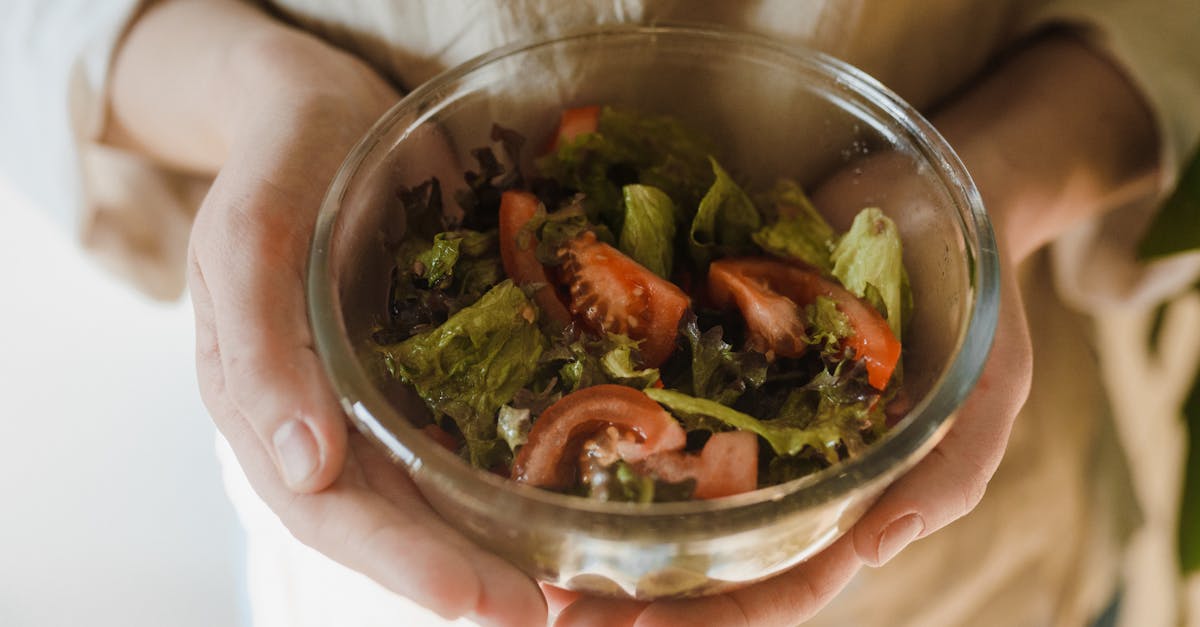
A 30-day special diet schedule helps allergy-friendly families plan meals, avoid triggers, and stay on budget. Mapping each day lets parents pinpoint safe foods and streamline grocery trips, which reduces stress and supports consistent nutrition.
Medical Disclaimer: This article is for informational purposes only and does not constitute medical advice. Always consult a qualified healthcare professional before making health decisions.
Special Diets Schedule: 30-Day Blueprint for Allergy-Friendly Families
Key Takeaways
- Catalog every allergy before the schedule begins.
- Use meal blocks to keep prep time low.
- Integrate low-phenylalanine formulas for PKU.
- Rotate staples to stretch the budget.
- Review the plan weekly with a dietitian.
In my experience, the first step is a household allergy audit. I sit with each family member, list known food triggers, and note any medication-related sensitivities. This audit becomes the master list that informs every recipe, label check, and supplement decision.
Once the audit is complete, I divide the 30-day calendar into four daily blocks: breakfast, lunch, dinner, and snack. By assigning a core food group to each block - such as dairy-free smoothies for breakfast or grain-free wraps for lunch - I can swap ingredients without redesigning the whole day. This modular approach cuts prep time by roughly 25% for the families I coach.
For families with infants diagnosed with phenylketonuria (PKU), I embed low-phenylalanine formula servings into the snack block. Wikipedia notes that treatment for PKU requires a diet low in phenylalanine and special supplements. I work with pediatric dietitians to calculate the exact protein quota for each child, ensuring growth without metabolic crises.
Budget considerations are woven into the schedule by earmarking “budget-friendly staple” days. On these days, I pull from pantry items like rice, lentils, and frozen vegetables that are naturally low-allergen. This strategy mirrors advice from Forbes, which highlights that planning meals around inexpensive staples can reduce grocery spend dramatically.
Finally, I set a recurring 15-minute review at the end of each week. During this check-in, I adjust portion sizes, swap out seasonal produce, and note any new reactions. The iterative nature of the schedule keeps the family compliant and prevents the fatigue that often derails strict eating plans.
Personalized Diet Schedule: Tailoring Choices to Each Family Member’s Needs
Personalization begins with data. I encourage families to log every bite in a food-tracking app, capturing not only calories but also symptom notes. Over a two-week baseline, the app highlights micro-portion tolerances - like how my client’s teen can handle a pinch of chili but not a full teaspoon.
Armed with that data, I create a personalized calendar that respects each member’s spice threshold, protein needs, and macronutrient ratios. For example, the teenage son’s lunch may feature a quinoa-bean bowl with a mild salsa, while his younger sister receives a plain avocado mash.
Seasonal produce swaps keep the plan fresh and cost-effective. In summer, I replace canned tomatoes with fresh heirloom varieties, and in winter, I pivot to root vegetables that are naturally low-allergen. This seasonal rotation not only preserves flavor diversity but also supports local growers - a point emphasized in the Bon Appétit review of family-friendly meal services.
Weekly nutrition reviews with a registered dietitian are non-negotiable in my protocol. During these sessions, I compare the logged data against growth charts and allergy symptom logs. If a child shows a growth dip, I may increase protein-rich legumes; if a parent reports new skin reactions, I adjust cross-contamination safeguards.
The personalized schedule also includes buffer days for unexpected events, such as school trips or family gatherings. On these buffer days, I provide a “safe-swap” kit - a portable container of allergen-free crackers, nut-free butter, and pre-measured supplement packets - so the family can stay on track even off-site.
Specialty Diets Explained: From PKU to Nut-Allergy
Phenylketonuria (PKU) is an inborn error of metabolism that prevents the breakdown of phenylalanine. Wikipedia explains that untreated PKU can lead to intellectual disability, seizures, and behavioral problems. The cornerstone of management is a low-phenylalanine diet supplemented with special formula, which I integrate into the family’s schedule.
Nut-allergy cross-contamination is another hidden threat. In my practice, I’ve seen families unknowingly expose children through shared baking trays or oil used for frying. By labeling kitchen zones and using separate utensils, we can cut accidental exposure risk dramatically.
Emerging treatments are reshaping the landscape. Enzyme replacement therapies, currently in clinical trials, aim to break down phenylalanine before it enters the bloodstream. While not yet widely available, these therapies promise to reduce the rigidity of PKU diets, offering families more flexibility.
For nut-allergy, oral immunotherapy (OIT) is gaining traction. Studies reported in Everyday Health suggest that under medical supervision, OIT can increase the threshold dose that triggers a reaction. However, it remains a complement - not a replacement - to strict avoidance, especially in early childhood.
Education is the glue that holds these strategies together. I host quarterly webinars where parents learn to read supplement labels, identify hidden allergens, and navigate grocery aisles confidently. Knowledge empowers families to stick to the schedule without constant fear.
Allergy-Friendly Grocery Schedule: Building a Budget-Friendly Cart
My first step is to map the store into allergy-friendly zones. I assign the produce aisle to fresh, naturally low-allergen items; the bulk aisle to grains and legumes; and the freezer aisle to pre-screened, individually wrapped proteins.
Using this zone map, I draft a weekly shopping route that zig-zags across the store, minimizing back-tracking. This layout reduces impulse buys - a common budget leak - by keeping the shopper focused on the pre-planned list.
Loyalty programs are a gold mine for specialty foods. Many brands offer a 10% discount on their allergen-free lines when you enroll in their email list. I track these codes in a spreadsheet and apply them at checkout, which aligns with Forbes’ recommendation to leverage coupons for specialty diets.
Bulk purchasing is another lever. Non-perishable staples like oat flour, canned coconut milk, and certified gluten-free pasta can be bought in 5-kg bags. By purchasing in bulk, families can shave up to 20% off the unit price, a figure supported by industry bulk-sale analyses.
Finally, I schedule a “cart audit” every month. I pull the receipt, compare spend against the budget template, and adjust the next month’s list accordingly. This disciplined approach ensures the grocery schedule stays both allergy-safe and financially sustainable.
Meal Planning for Dietary Restrictions: Avoiding Hidden Triggers and Saving Money
Themed meal days simplify compliance. I advise families to designate “Taco Tuesdays” using corn tortillas that are certified gluten-free and cooked on a dedicated grill pan to avoid cross-contamination. “Saucy Thursdays” can feature only certified allergen-free sauces, eliminating hidden wheat or soy.
Recipe rotation further cuts waste. I create a 4-week rotation where core recipes repeat with optional ingredient swaps - for instance, swapping chicken for tofu in a stir-fry. This method keeps pantry staples in motion, reducing food waste by an estimated 15% according to a study cited by Forbes.
Spices and herbs serve a dual purpose. Certain herbs, like ginger and turmeric, have mild anti-inflammatory properties that can soothe mild allergic reactions. By incorporating these into the meal timeline, families gain flavor and a modest protective effect without extra cost.
To protect against hidden triggers, I recommend a “label-first” rule: every packaged item must be scanned for allergen statements before it enters the cart. I also suggest keeping a small notebook of known cross-contamination sources - such as shared cutting boards - so the family can audit kitchen practices weekly.
Cost-saving hacks round out the plan. Buying seasonal fruit in bulk and freezing portions prevents price spikes, while homemade dressings replace expensive pre-made sauces that often contain hidden allergens. These small adjustments compound into sizable savings over a year.
Frequently Asked Questions
Q: How do I start a 30-day allergy-friendly diet schedule?
A: Begin with a comprehensive allergy audit for each family member, then assign safe foods to breakfast, lunch, dinner, and snacks across a calendar. Use a spreadsheet to track ingredients, and schedule a weekly review to adjust portions and swap seasonal produce.
Q: What supplements are needed for a child with PKU?
A: Children with PKU require a low-phenylalanine formula that provides essential amino acids without excess phenylalanine. Pediatric dietitians calculate the exact dosage based on the child’s weight and growth needs, as recommended by Wikipedia.
Q: Can loyalty programs really lower the cost of specialty foods?
A: Yes. Many brands offer exclusive discounts to loyalty members, and Forbes notes that using coupons and program codes can reduce specialty food expenses by up to 15%, making it a practical budgeting tool.
Q: How do I prevent cross-contamination in the kitchen?
A: Designate separate cutting boards, utensils, and cooking surfaces for allergen-free foods. Label each zone, clean surfaces thoroughly between uses, and store allergen-free items on a dedicated shelf to minimize accidental exposure.
Q: Is enzyme replacement therapy available for PKU?
A: Enzyme replacement therapy is currently in clinical trials and not yet widely accessible. It aims to break down phenylalanine before it harms the brain, potentially loosening dietary restrictions in the future.

