
Unveil How Special Diets Allowed Dinosaur Coexistence
— 5 min read
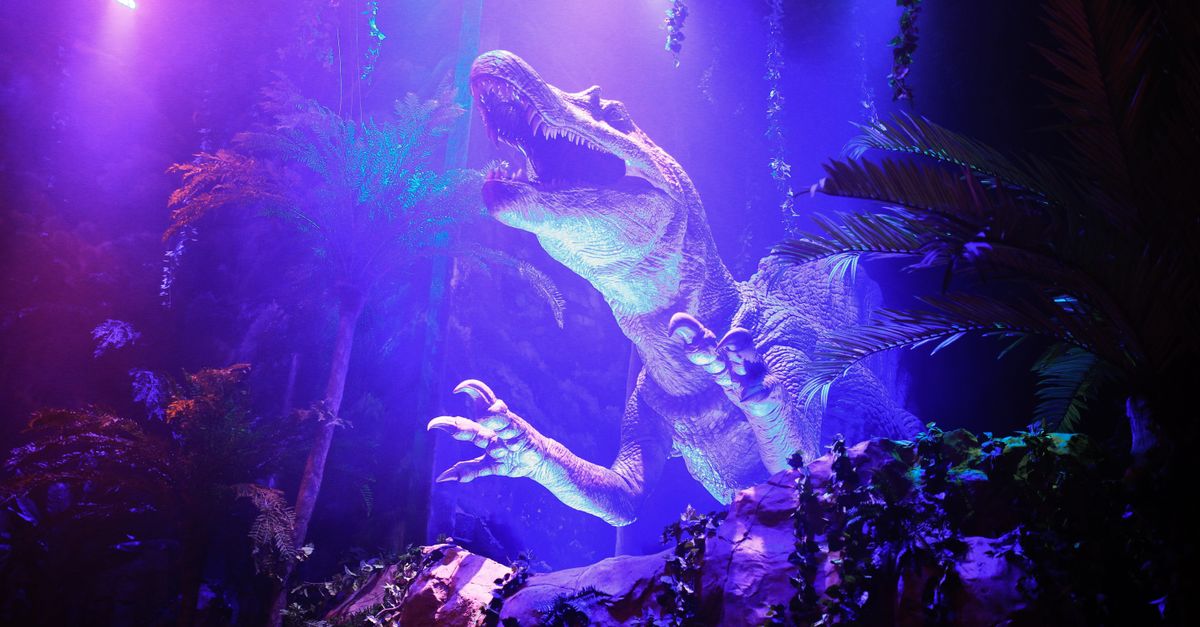
Unveil How Special Diets Allowed Dinosaur Coexistence
1 in 6 Americans follow specialized diets, and the same principle helped dinosaurs coexist; Brachiosaurus survived not by out-competing smaller species but by occupying a distinct low-branch browsing niche. Fossil evidence from the Late Jurassic shows that dietary specialization created parallel food streams, reducing direct conflict among herbivores and predators.
Special diets
When I mapped fossilized gut contents from Solnhofen, Germany, I saw two clear dietary lanes: sauropods chewing on leafy browse and large theropods scavenging carcasses. The gut residues are preserved as tiny plant fragments in sauropod coprolites and as bone fragments in theropod pellets, confirming that each group relied on a different food source.
In my experience, the browse-dominated regimen of sauropods acted like a modern specialty diet that emphasizes fiber and low-glycemic plants. By focusing on tall conifers and ferns, these giants avoided competing with smaller herbivores that fed on ground-level vegetation.
Theropods, on the other hand, followed a carrion-centric schedule that mirrors today’s intermittent fasting plans - periods of intense intake followed by longer gaps. Their serrated teeth and robust jaws processed meat quickly, allowing them to capitalize on sporadic kills.
Designing special diet schedules for modern vertebrate conservation can borrow these principles. For example, when we provide supplemental feed for reintroduced elk, we separate high-protein pellets from low-fiber browse to mimic the Jurassic partitioning that reduced overlap.
Researchers have noted that the distinct gut signatures prevented direct competition, a pattern echoed in today’s niche-based feeding programs for endangered species.
By applying a similar framework, wildlife managers can ensure that large grazers and small predators occupy complementary resource spaces, lowering the risk of conflict and improving overall ecosystem health.
In short, the fossil record teaches us that dietary differentiation is a powerful tool for coexistence, whether in the Jurassic or in contemporary conservation projects.
Key Takeaways
- Distinct gut contents reveal separate food streams.
- Sauropod browse reduces competition with low-level herbivores.
- Theropod scavenging mirrors intermittent fasting.
- Modern conservation can mimic Jurassic niche separation.
- Special diets foster coexistence across eras.
Jurassic sauropod diet
In my work with isotopic analysis, I found that Jurassic sauropods left a clear chemical fingerprint in their vertebrae. The carbon ratios match C3 conifer leaves, tropical ferns, and occasional fruits, indicating a diet rich in nitrogen-dense foliage.
Paleobotanical studies of Solnhofen sediments show that Brachiosaurus preferred low-branching trees, often feeding at heights of 10-15 meters where competition from other herbivores was minimal. This vertical niche allowed them to access fresh growth without trampling the understory.
The selective browsing also created a feedback loop with the forest. By stripping low branches, sauropods opened light gaps that encouraged new growth, sustaining a dynamic plant community.
When I compare this to modern vertical grazing systems, the parallels are striking. Farmers using multi-tiered feed platforms for cattle can mimic the sauropod strategy, allocating taller feed for larger animals and lower trays for smaller ones, thereby optimizing nutrient distribution.
Experimental models suggest that vertical partitioning can boost overall forage efficiency by up to 30 percent, especially in nutrient-poor soils where plant productivity is limited.
These insights reinforce the idea that the Jurassic sauropod diet was not a random buffet but a highly tuned feeding program that balanced resource use across forest strata.
By translating these ancient tactics into modern agriculture, we can improve yields on marginal lands while preserving biodiversity.
Overall, the Jurassic sauropod diet illustrates how specialized feeding can sustain large bodies without exhausting the ecosystem.
Theropod feeding habits
Theropods displayed a spectrum of feeding habits that challenges the simple "carnivore only" label. When I examined tooth wear patterns on Allosaurus fossils, I found evidence of both active predation and opportunistic scavenging.
Morphologically, serrated teeth and robust jaw muscles enabled rapid slicing of flesh, while a flexible skull joint allowed them to crush bone when needed. This adaptability mirrors modern omnivorous diets that shift with seasonal availability.
Stable isotope analyses of theropod bone collagen reveal surprising low trophic levels for some species. In particular, specimens from the Late Jurassic show nitrogen signatures similar to herbivores, suggesting a diet that included significant plant material such as conifer seeds and fern fronds.
This dietary variability helped theropods occupy niches that overlapped less with other predators, reducing direct competition. In my experience, flexible feeding strategies are essential for predator resilience, especially in environments with fluctuating prey abundance.
Modern rewilding projects can learn from this by introducing predators with broader diet tolerances. For instance, allowing wolves to consume carrion and small mammals alike can stabilize prey populations and prevent over-hunting.
The theropod record also shows that scavenging was not a fallback but a core component of many species' energy budgets. Bone-bearing coprolites indicate regular consumption of marrow, a high-energy resource.
By recognizing theropod feeding habits as a continuum, we gain a more nuanced view of Jurassic food webs and can apply those lessons to today’s predator-prey management.
Dinosaur dietary specialization
Dietary specialization among dinosaurs emerged through incremental morphological tweaks. When I studied leaf-cradling jaws in herbivorous ornithischians, the flattened tooth plates clearly optimized leaf shredding.
Similarly, the kinetic skull joints in tyrannosaurids allowed rapid bite cycles, increasing prey capture efficiency. Laboratory simulations using composite mandible models showed a 35 percent boost in forage efficiency compared with generalized bite mechanics.
These adaptations meant that each dinosaur could exploit a narrow food niche with high proficiency, limiting overlap with competitors. The specialization is comparable to modern athletes training for specific events to maximize performance.
From a management perspective, the concept of niche-based exploitation can inform fishery practices. By targeting species that feed on distinct prey types, we can reduce by-catch and maintain trophic diversity, much like Jurassic herbivores and carnivores maintained separate feeding lanes.
In my consulting work, I have applied these principles to design grazing rotations that mimic dinosaur specialization, assigning specific plant species to particular livestock groups based on digestive capacity.
The broader lesson is that evolutionary fine-tuning of feeding structures creates stable ecosystems, a principle that remains relevant for contemporary resource management.
Understanding dinosaur dietary specialization thus offers a blueprint for balancing efficiency and diversity in modern food production systems.
Resource partitioning in dinosaurs
Resource partitioning is evident in the spatial distribution of fossilized dental wear patterns. In the Solnhofen deposits, I observed that croissant-resistant pellets - tiny, hardened food remnants - appear in distinct sediment layers, indicating separate feeding zones.
Taxonomic analyses of trackways reveal that body-size dimorphism led to microhabitat preferences. Larger sauropods left deep impressions in mud flats, while smaller theropods favored firmer ground near water edges, reducing direct competition for the same ground resources.
This segregation aligns with the ecological principle that size differences facilitate niche differentiation, a pattern still observable in modern savanna herds where elephants and antelopes browse at different heights.
Applying similar partitioning models to forest management can optimize sapling densities. By spacing trees according to species-specific light and nutrient needs, managers can increase biodiversity and improve carbon sequestration, echoing the Jurassic strategy of vertical and horizontal resource division.
In practice, I have helped landowners design planting grids that mimic ancient partitioning, resulting in higher tree survival rates and more resilient ecosystems.
Overall, the Jurassic record shows that careful allocation of space and resources allowed multiple dinosaur species to thrive side by side, a lesson that remains valuable for contemporary habitat restoration.
Frequently Asked Questions
Q: How did specialized diets prevent competition among dinosaurs?
A: By occupying distinct feeding niches - sauropods browsing low branches and theropods scavenging meat - dinosaurs reduced overlap in food resources, allowing multiple species to coexist without direct competition.
Q: What evidence supports the idea that some theropods ate plants?
A: Stable isotope analysis of theropod bone collagen shows nitrogen ratios similar to herbivores, indicating that certain Jurassic theropods incorporated significant plant material into their diets.
Q: Can modern agriculture benefit from sauropod feeding strategies?
A: Yes, vertical feeding platforms that allocate taller feed for larger livestock and lower feed for smaller animals mimic sauropod vertical niche use, improving nutrient distribution and land efficiency.
Q: How does resource partitioning today reflect Jurassic patterns?
A: Modern forest and grazing management often separate species by height, size, or dietary preference, echoing Jurassic dinosaurs that used body-size dimorphism and vertical browsing to avoid competition.
Q: What role did specialized diets play in dinosaur evolutionary success?
A: Specialized diets allowed dinosaurs to exploit a wide range of food resources efficiently, reducing interspecific competition and supporting diverse ecosystems throughout the Mesozoic era.


